


When comparing a Hydrafacial vs Traditional Facial, many people wonder which treatment delivers better results for healthier, more radiant skin. While both options can improve your complexion, they work differently and offer unique benefits depending on your skin goals.
Understanding Hydrafacial vs Traditional Facial
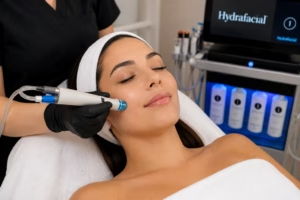
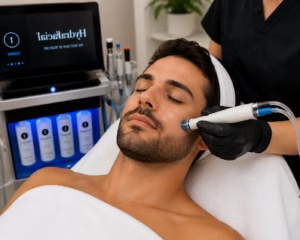
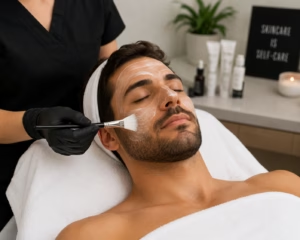
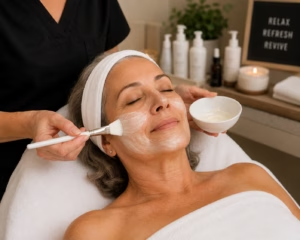
A Hydrafacial is an advanced, non-invasive treatment that cleanses, exfoliates, extracts impurities, and hydrates the skin using patented vortex technology. Traditional facials, on the other hand, typically involve manual cleansing, exfoliation, extractions, masks, and massage techniques performed by an esthetician.
Additionally, Hydrafacials are known for their consistency because the technology-driven process delivers similar results across treatments. Traditional facials can vary based on the products, techniques, and expertise of the provider.
Benefits of Hydrafacial vs Traditional Facial
When evaluating Hydrafacial vs Traditional Facial, it’s important to consider the advantages of each treatment.
Hydrafacial Benefits
- Deep cleansing and exfoliation
- Gentle extraction without squeezing
- Immediate hydration and glow
- Suitable for most skin types
- No downtime after treatment
- Can address fine lines, congestion, and uneven texture
Furthermore, many patients notice smoother, brighter skin immediately after a Hydrafacial, making it a popular choice before weddings, vacations, and special events.
Traditional Facial Benefits
- Customized treatments based on individual skin concerns
- Relaxing facial massage and spa experience
- Variety of masks and specialty products
- Effective for routine skin maintenance
- Often available at a lower price point
However, results can vary depending on the type of facial selected and the techniques used during the appointment.
Which Treatment Provides Better Results?
The answer depends on your skincare goals.
If your priority is achieving instant radiance, hydration, and deep pore cleansing, a Hydrafacial often delivers more noticeable results after a single session. The treatment combines multiple skincare steps into one efficient procedure while minimizing irritation.
Meanwhile, traditional facials excel at providing relaxation and personalized care. They can be highly effective for maintaining skin health when performed regularly by an experienced esthetician.
Skin Concerns Best Treated by Each Option
Hydrafacials are often ideal for:
- Dull skin
- Enlarged pores
- Mild acne and congestion
- Dehydrated skin
- Fine lines and uneven texture
Traditional facials may be preferable for:
- Sensitive skin requiring customized products
- Clients seeking stress relief and relaxation
- Routine skincare maintenance
- Specialized facial treatments targeting specific concerns
In contrast, individuals looking for a more technology-driven approach may gravitate toward Hydrafacial treatments.
Cost Comparison
Hydrafacials generally cost more than traditional facials because of the specialized equipment and proprietary serums used during treatment. Traditional facials offer a wider range of pricing options depending on the spa, products, and treatment complexity.
Therefore, budget may play a role when deciding which facial best fits your skincare routine.
Hydrafacial vs Traditional Facial: Which Is Better for You?
For those seeking visible improvements in hydration, skin texture, and overall glow with no downtime, a Hydrafacial is often the superior choice. Many patients appreciate the immediate results and consistent treatment experience.
Ultimately, traditional facials remain an excellent option for relaxation, customized care, and ongoing skin maintenance. The best treatment depends on your skin type, concerns, lifestyle, and aesthetic goals.
Before choosing between a Hydrafacial and a traditional facial, consult with a qualified skincare professional who can recommend the most effective treatment plan for your unique needs.


0 Comments